Amethyst – Crystal of Positive Aura and Transformation
Amethyst has been revered for millennia as a symbol of inner transformation. From ancient Egypt to contemporary spiritual practice, it plays a central role.
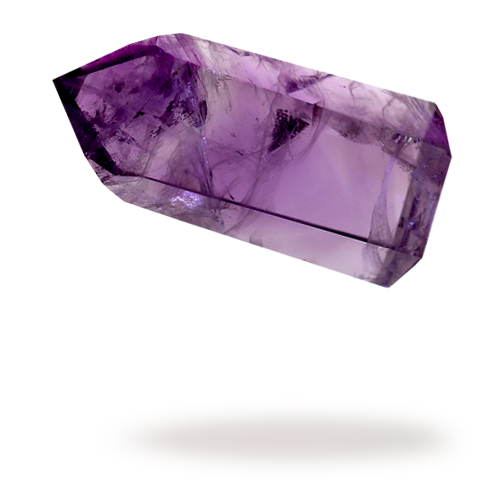
Mineralogically, amethyst belongs to the quartz family (SiO₂). Its characteristic violet color is due to the inclusion of iron and natural irradiation within the Earth's crust.
Mineralogical data
Hardness: 7 (Mohs scale)
Crystal system: Trigonal
Typical form: Hexagonal prisms with pointed ends
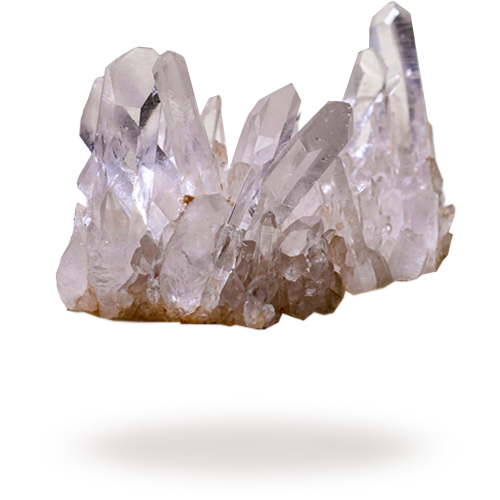
chemically almost identical to rock crystal
2. Color diversity: From deep violet to crystal clear
Amethyst is known for its characteristic violet color – but in fact, its natural color spectrum ranges from light lavender to almost black purple. Depending on the location and mineral content, it can also appear pinkish, greenish, reddish, or banded.
Particularly sought after are:
Dark violet amethyst from Uruguay – intensely colored, powerful, and popular for large geodes
Vera Cruz Amethyst from Mexico – extremely clear and light, highly energetic and collectible
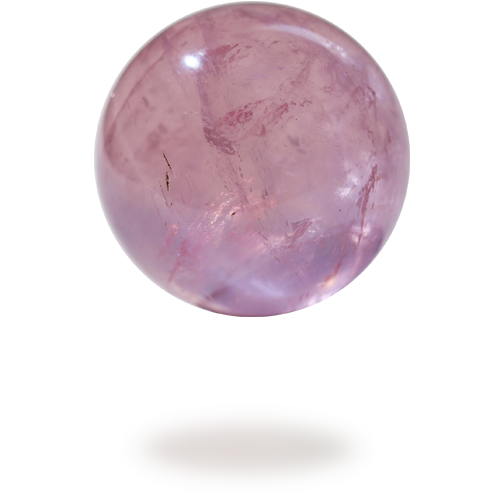
Pink Amethyst from Southern Brazil – a newer find with warm rosy tones, increasingly in demand
Chevron Amethyst – with striking V-patterning of white and violet, especially from Namibia
Deep or Black Amethyst – almost black-violet due to dense crystal formation, especially rare
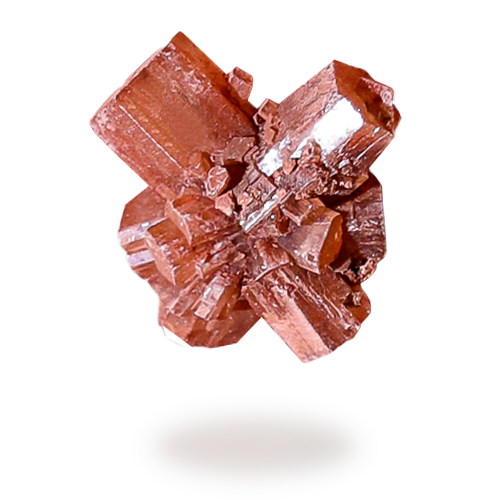
Exotics like Prasiolite (green), brown or red Amethyst – rare color mixtures, mostly from Uruguay
Product suggestion
3. Cultural History of Amethyst
Symbolism in Different Cultures: Millennia-Old Healing Stone History
In ancient Greece, it was considered a protective stone against drunkenness – the name "Amethyst" comes from the Greek word "amethystos," meaning "not intoxicated." The Greeks believed that a chalice made of amethyst could prevent intoxication, which is why numerous drinking vessels were made from this stone.
In the Roman Empire, it became a favorite stone of nobility and emperors. It symbolized luxury, power, and dignity. Emperors, senators, and aristocrats adorned themselves with rings and pendants to display their status.
In the Middle Ages, the purple healing stone was the church stone par excellence in Europe. Bishops wore it as a sign of spiritual clarity, piety, and heavenly purity. To this day, the violet stone can be found in ecclesiastical insignia and liturgical objects, such as precious chalices or reliquaries.
Mythological and Cultural Narratives
The most famous legend comes from Greek mythology: the wine god Dionysus fell in love with a young nymph named Amethyst. She rejected his advances and was transformed into a crystalline stone by the goddess Artemis for protection from Dionysus. Filled with remorse, Dionysus poured wine over the clear stone, which gave it its characteristic violet color. Thus, the legend impressively tells of the crystal's connection with purity and moderation.
In ancient Egypt, it was considered a stone of royalty and wisdom: Egyptian rulers had the crystal incorporated into their jewelry and talismans to gain spiritual insight and protection from negative influences.
Precious Objects and Jewelry
The fascinating history is still reflected today in exceptional jewelry and artworks displayed in some of the world's most famous museums:
The Smithsonian Museum in Washington houses a spectacular amethyst necklace that once belonged to the French Empress Joséphine Bonaparte – a symbol of rank and elegance at the Napoleonic court.
The collections of the Victoria and Albert Museum in London feature a delicate Victorian jewelry set with amethyst, worn by the British aristocracy in the 19th century.
The Grünes Gewölbe (Green Vault) in Dresden houses magnificent Baroque amethyst objects, including splendid goblets and brooches commissioned by Saxon electors and kings.
Value and Historical Preciousness
Historically, amethyst was at times as valuable as diamonds, rubies, or emeralds. Particularly intensely colored ones from Brazil or the Ural Mountains were considered extremely rare and valuable. Jewelry and vessels made of particularly pure amethyst were among the most precious gifts that nobles, kings, or clergy could receive.
Why Amethyst is Still Relevant Today
Today, we appreciate it not only for its impressive beauty but also for its strong symbolic and energetic effect. It stands for strengthened aura, spiritual growth, and the ability to find balance in life. In times when stress and distraction threaten our inner harmony, it reminds us to pause, act consciously, and free our minds from unnecessary burdens.
Product Suggestion
Water Stone Set – Gemstone Basic Blend
For water energization, only untreated raw stones should be used. The crystals in our water stone set are of particularly high quality because they are completely natural points of clear quality.
4. Meaning and Effect: What Amethyst Achieves Emotionally and Spiritually
Good fortune: Lets things fall into place by positively strengthening your mindset
Intuition: Sharpens perception for what lies beneath the surface
Transformation: Companion during personal changes
Protection: Stabilizing during stressful or challenging phases
Spiritually, amethyst is assigned to the third eye (Ajna chakra) and the crown (Sahasrara chakra).
Amethyst has been used for centuries to deepen meditative states. Its connection to the Ajna chakra ("Third Eye") and Crown chakra makes it a stone of mental clarity and higher insight.
Place a crystal on your forehead (between the eyebrows) to activate the Third Eye.
Hold a small point or tumbled stone in your left hand (receiving hand) during meditation.
Create a crystal circle of amethysts and clear quartz if you are seeking deeper concentration or protection.
Tip: Particularly clear single crystals are excellent for deep trance states during meditation.
🛋️ In Rooms: Improve Energy Flow & Communication
Amethyst has the ability to calm rooms, clear mental unrest, and promote harmonious coexistence. It doesn't suppress, but balances – ideal for places where many people gather or mental activity is required.
Room Ideas:
Living Room: A geode or large raw stone near the sofa encourages open conversations.
Study: Small points on the desk help to focus and reduce sensory overload.
Bedroom: especially raw stones or spheres on the bedside table support calm sleep and emotional processing.
Entrance Area: As an "energetic filter", a geode right at the entrance can help keep foreign energies out.
Caution: Amethyst can fade under strong, direct sunlight – shady spots are more suitable.
🎒 As a daily companion
It accompanies you on journeys, important conversations, or simply through hectic days. Particularly polished tumbled stones or small points are practical and robust here.
Carried in a pocket or bra, it has a stabilizing effect on the nervous system.
Before challenging conversations, briefly take it in your hand and breathe deeply – amethyst helps maintain focus.
Placed in the car (e.g., on the rearview mirror or in the center console) it creates a clearer, calmer atmosphere while driving.
💧 Water, Skin & Beauty Rituals
Amethyst is suitable for energetic water vitalization if you use an untreated raw stone for this purpose. In skin care, it is increasingly used in the form of Gua Sha stones or rollers – for cooling, anti-inflammatory effects.
Important: Not all amethysts are water-suitable – only use unprocessed natural stones without metal settings or resin.
🕯️ In Rituals & Crystal Grids
Amethyst is excellent for crystal grids that are focused on mental clarity, inner transformation, or spiritual protection.
Place it in the center of your altar
Combine it with moonstone, clear quartz, or selenite
Work with geometric patterns (e.g., Flower of Life) to manifest a clear intention
The best places for Amethyst at home
Bedroom: Supports restful sleep
Living room: Creates harmonious communication
Workplace: Promotes focused, creative work
everywhere else: Amethyst is a true all-rounder and an asset to any room
6. Origin and occurrences: From Brazil to the Alps
Vera Cruz (Mexico): Extremely clear, light violet crystals
Alpine region: Small, high-energy single crystals – valued by collectors
Product Suggestion
natural Amethyst crystal
As small geode pieces, these sparkling companions are perfect for finding a place of honor in living rooms or offices, on stacks of books, side tables or shelves.
7. Recognizing High-Quality Amethyst
When choosing your stone, you can rely entirely on your taste or intuition. Especially for large, high-priced pieces, it's worth taking a closer look. Collectors pay attention to these characteristics
Color
Uniformly deep violet or rare special color
Transparency
Clear with few inclusions
Cut
Symmetrical and brilliant, especially important for gemstones
Harmony
Geodes should be harmoniously shaped
Size
Large single points and geodes are rare and valuable
8. Color Variety: From Red-Brown to Deep Violet
Dark Violet Amethyst from Uruguay
Perhaps the most famous variety from Uruguay is characterized by particularly rich, almost violet-black colors - without losing its inner luminosity. They form in volcanic cavities with a high iron content.
Color: intense, uniform violet
Form: often as large geodes with pointed crystals
Value: high - especially for undamaged, deep geodes
Rare Color Plays from Uruguay: Brown, Red and Green
In addition to the classic violet, rare, special color forms also occur in Uruguay: due to various mineral inclusions or natural thermal changes, amethyst can appear brown, red, yellow or green.
Vera Cruz Amethyst (Mexico)
Light-filled, crystal clear and delicate lavender-colored: Vera Cruz crystals grow as individual, often extremely slender points - high-vibrational, rare, light.
Color: light violet to almost colorless with a violet aura
Use: for fine spiritual work, meditation
Value: very high – especially with perfect formation
Pink Amethyst from Southern Brazil
A geologically younger variety, often found in shallower geodes. The color ranges from old rose to apricot and rosé. The pink hue is created by altered iron oxide bonds – not to be confused with rose quartz.
Color: matte pink to slightly salmon-colored
Location: Rio Grande do Sul, Brazil
Value: increasing – especially sought after for larger geodes
Chevron Amethyst (Namibia, India)
Chevron refers to the triangularly grown bands of white quartz and violet amethyst – the classic “V-shape” or “zebra pattern” makes it particularly distinctive.
Color: violet with white markings
Use: grounding, mental alignment
Value: medium – highly sought after with strong patterning
Deep Amethyst / Black Amethyst (Brazil)
A special highlight for those who want to use it as a protective stone: The so-called "Deep Amethyst" or "Black Amethyst" is formed from extremely iron-rich, dark amethyst quartz. The crystals are smaller and denser, which gives them an almost black appearance – but with the typical violet sparkle in the depths.
Color: almost black-violet, very dense crystal structure
Location: mostly in Minas Gerais, Brazil
Use: protective stone, energetic anchor
Value: medium – somewhat rarer, deep and powerful
9. Crystal Combinations
Combining Amethyst Correctly
Amethyst is a particularly versatile stone that can be combined in numerous and completely free ways. Here are some of our favorite combinations and how they can enrich your everyday life:
Clear Quartz + Amethyst: Visions and Goals
Rose Quartz + Amethyst: Heart Opening & Emotional Healing
Lepidolite + Amethyst: Stress Reduction and Gentle Transformation
Citrine + Amethyst: Holistic Fulfillment
Celestite + Amethyst: Heavenly Sleep
10. Care, Cleaning and Energetic Charging. Crystal Combinations
Cleaning: Best under running, lukewarm water. Mild soaps are okay!
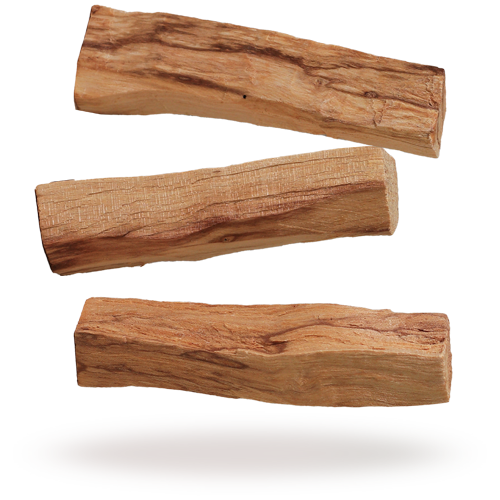
Energetic cleaning: Smudging with sage or charging on a clear quartz druse.
Charging: In full moonlight or in gentle morning sun (amethyst should not be exposed to strong sunlight for long – risk of fading).
11. Frequently Asked Questions
What does Amethyst cost?
Simple tumbled stones, small rough stones and small points start at under 10€. Druses and large single crystals can cost several thousand euros.
How do you clean Amethyst?
Physically with water (soap is also possible), energetically with smoke (sage, palo santo), in recent years the use of selenite has also become established: it represents the full moon energy - so you can also use the full moon light directly instead ;)
Which zodiac signs go with Amethyst?
Especially Pisces, Aquarius, Virgo – but basically anyone looking for clarity and inner peace.
How often does Amethyst need to be charged?
Exactly as you feel! Just try to see if a moonlight bath makes a difference - if so, you can repeat it once a month, or whenever you feel like it.
Buy Amethyst
Why Amethyst can be a lifelong companion
Amethyst remains timeless – not as a fleeting trend, but as a stone of true transformation and inner strength. Those who embrace its calm, clarifying energy will have a companion by their side who remains reliable through highs and lows.
Buying Amethyst – what to look out for
When buying amethyst, it's worth taking a closer look: high-quality stones show an even color, clear crystal structure, and natural transparency. Especially with geodes and points, it's important that the crystal points are intact and not reworked. Also pay attention to the origin – Uruguay, Brazil, and Mexico are considered the most important sources for energetically strong and aesthetically valuable unique pieces. In our assortment, you will find only untreated, hand-picked stones of verified origin.