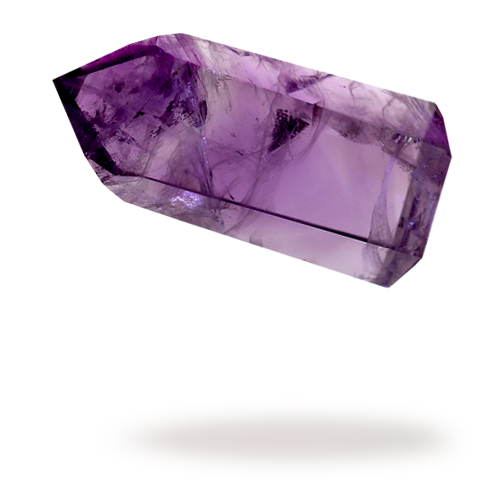
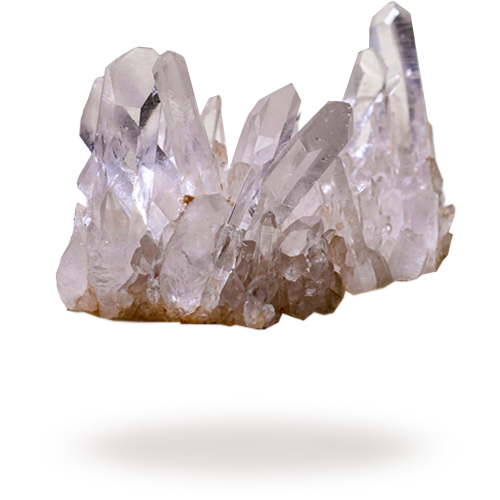
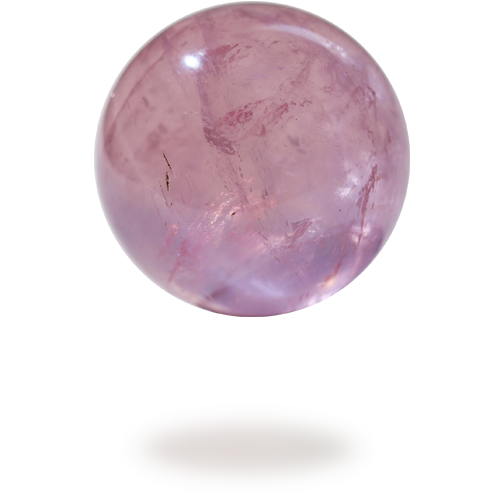
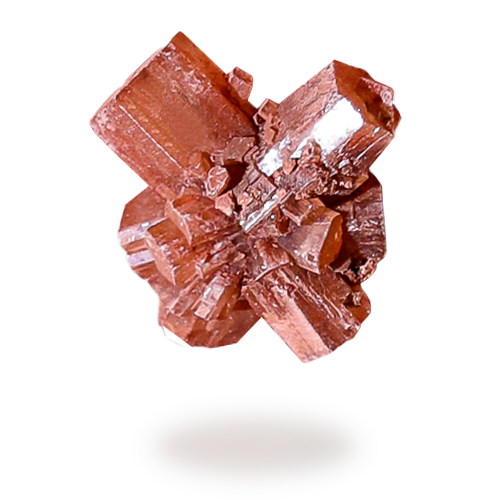
Water Stone Set with Rock Crystal
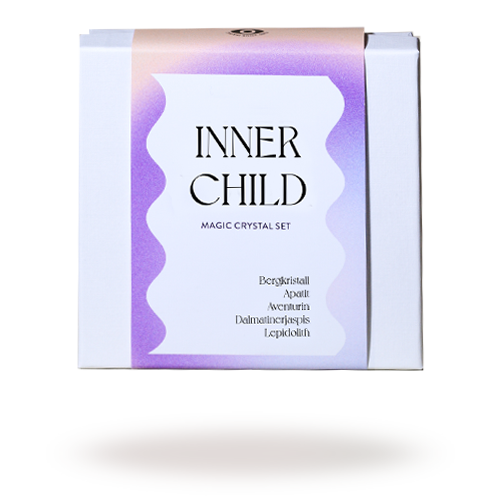
For water energizing, only untreated raw stones should be used. The crystals in our water stone set are of particularly high quality because they are completely natural, clear quality points.
Meditation & Shadow Work
Black, rainbow, or silver obsidian in the form of spheres or mirrors allows for deep introspection. It is traditionally recommended to conclude intensive sessions with a rock crystal.
Room Energy & Protection
Placed in entrance areas or workspaces, obsidian acts as an energetic guardian.
Jewelry & Personal Companions
Worn as a pendant, obsidian promotes self-awareness and emotional stability in everyday life.
Obsidian does not act "nicely". But it acts powerfully and efficiently – and is therefore particularly suitable for people who want to set clear signs on their inner path.
Hardly any stone connects primal forces with cultural significance as directly as Obsidian. As volcanic glass, formed from cooled lava, it literally carries the power of fire and earth within it – properties that have made it a coveted and spiritually significant material for millennia for numerous cultures worldwide.
Origin of Name and History
The name "Obsidian" comes from a Roman named Obsius, who first brought the volcanic glass from Ethiopia to Europe. Pliny the Elder mentioned this stone as "obsianus lapis", named after this explorer. However, long before this designation, the black natural glass had already been a valuable material for ancient cultures.
Use in Prehistoric and Ancient Cultures
More than 10,000 years ago, obsidian was used by prehistoric humans as a tool due to its sharpness. In the Stone Age, people valued it as a raw material for weapons, knives, and arrowheads – significantly sharper and more effective than flint. Obsidian played a crucial role particularly in Central America: the Maya and Aztec cultures used it to produce weapons, ceremonial objects, and jewelry.
The Aztecs even believed it had divine origins. It was central to their religious life and was frequently used in rituals and offerings. Particularly significant was the "Tezcatlipoca Obsidian Mirror": Aztec priests used mirrors made of polished obsidian for divination and communication with the gods.
Mythological and Spiritual Significance
In various cultures, obsidian was considered a mysterious stone that allowed insights into hidden truths and mystical realities. The Maya believed it was a gateway to the underworld and used it in ceremonial rituals for purification and transformation.
In ancient Egypt, polished obsidian was used as a mirror, symbolizing clarity, truth, and self-knowledge. Egyptian priests and pharaohs used it in spiritual rituals to look into the "dark side" of the human soul – a deep symbolic meaning that has remained with obsidian to this day.
Historical Value and Important Collections
Due to its cultural-historical significance, obsidian is represented in important museums worldwide:
The British Museum in London houses the famous "Obsidian Mirror of Dr. Dee", which belonged to the Elizabethan astrologer and magician John Dee and was allegedly used for magical rituals and alchemical experiments.
The Museo Nacional de Antropología in Mexico City displays impressive obsidian weapons, jewelry, and masks of the Aztecs, reflecting the high craftsmanship and spiritual significance of obsidian.
The Metropolitan Museum of Art in New York presents prehistoric obsidian tools from various cultures, illustrating the extraordinary importance of the stone for human civilization.
Historical Value and Practical Significance
Historically, obsidian was not only spiritually but also practically invaluable. Its unique hardness and sharpness made it one of the most sought-after materials in early history. Trade routes spanning continents were established to transport high-quality obsidian from volcanic regions to distant areas. Significant trade centers quickly emerged around obsidian deposits, for example, in Anatolia (present-day Turkey), Central America, or on islands in the Pacific.
Why Obsidian Is Particularly Relevant Today
Today, obsidian is more relevant than ever for both spiritually interested individuals and culturally and historically enthusiastic people. In our often superficial world, obsidian is a powerful symbol of truthfulness, self-knowledge, and confronting one's own shadow aspects. It invites us to look deeper, gain clarity about ourselves, and discover our hidden strengths.
Obsidian remains a significant symbol that true transformation often only becomes possible when we have the courage to look beyond our own surfaces. This is precisely why it is a powerful companion on the path to inner clarity and authentic self-knowledge today.
The effect of obsidian can be specifically influenced by combining it with other stones:
Combination |
Effect |
Obsidian + Rock Crystal
|
Clarifies processes, strengthens focus |
Obsidian + Rose Quartz
|
Gentle combination: truth + gentleness |
Obsidian + Amethyst
|
Deep work with intuitive access |
Obsidian + Selenite
|
Ideal for energetic cleansing after shadow work |
Not recommended: Combination with strongly polarizing stones like pyrite or color-changing crystals – they can dilute the focusing effect of obsidian.
Stone Set with Obsidian
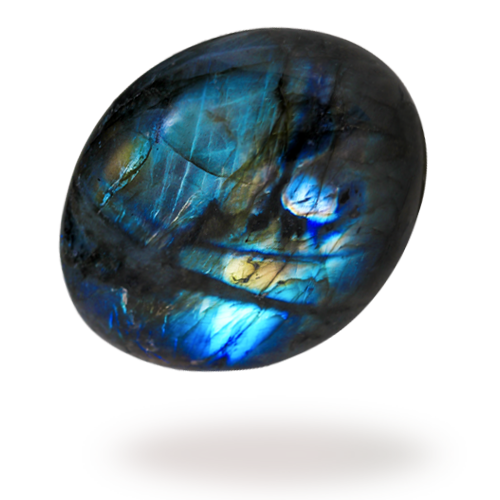
In addition to agate, black tourmaline, black amethyst, and smoky quartz, our set of protective stones also contains a shimmering obsidian.
How to recognize high-quality obsidian?
Surface: Shiny or clearly structured, no dull or blunt spots
Fracture pattern: Conchoidal, glassy – no cracks or streaks
Variant recognizable: Mahogany, rainbow, or silver only visible with proper polishing
Known origin: Real quality stones usually come from Mexico or the USA
💡 Caution with imitations: Rainbow and blue-colored obsidian, in particular, are often mistaken for glass or artificially replicated.
The "ice crystal of the gods" has been revered for millennia in almost all cultures as one of the most valuable and spiritual stones. Its transparent, pure beauty fascinated people as early as the Stone Age, and it was widely used for magical and ritual purposes.
Veneration and Mysticism in Different Cultures
In ancient European cultures, such as the Celts and Germans, rock crystal was considered divine ice that never melts. Greek philosophers believed it was a kind of eternally frozen water, and the word "crystal" even comes from the Greek term "krystallos," meaning "ice."
In ancient Rome, wealthy Romans wore rock crystal amulets, believing they could ward off diseases and prolong life. Romans also loved cups and bowls made of rock crystal, as they thought the pure material could neutralize poison and improve the quality of wine.
Mythological Narratives
Rock crystal also frequently appears in legends: In the Middle Ages, it was believed that sorcerers could look into the future through rock crystal balls – hence the classic crystal ball in today's fairy tales. The famous prophet Nostradamus, for instance, is said to have received his visions with the help of such a crystal ball.
Precious Objects and Jewelry
Already in ancient Egypt and the medieval Orient, rock crystal was invaluable. Finest vessels, chalices, and pieces of jewelry were particularly sought after, some of the most beautiful of which can now be admired in renowned museums:
The British Museum in London houses a breathtaking 11th-century Islamic rock crystal ewer, exquisitely decorated with gold and originally intended for royal ceremonies.
The Musée du Louvre in Paris possesses a richly adorned 10th-century rock crystal goblet that belonged to the treasure of the French kings.
In the treasury of the Kunsthistorisches Museum Vienna, visitors can admire filigree rock crystal objects from the Renaissance – including noble drinking vessels and finely crafted pieces of jewelry.
Value and Preciousness Throughout History
In the past, pure rock crystal was so rare and precious that it was sometimes valued higher than gold. Artisans and jewelers crafted objects from it that were exclusively reserved for kings, princes, and priests. The stone was considered a symbol of purity, clarity, and divine connection, which is why it was often used for ritual and religious objects.
Why it is Still Relevant Today
Even today, rock crystal continues to fascinate us with its beauty and spiritual symbolism. It reminds us that purity, clarity, and a conscious connection to ourselves and nature are universal values. Rock crystal teaches us to keep our own minds clear and remain open to the essentials of life. In an often hectic and overloaded world, it offers us a moment of inner calm – a reminder that life is not about complexity, but about clarity, simplicity, and authenticity.
Thus, rock crystal continues to carry the deep history of our human culture within it, made visible in the wonderful objects of past times and made tangible in our current relationship with this unique mineral.
Obsidian is uncompromising. It is not soft, not playful – but honest, powerful, and deeply transformative. For millennia, people have trusted its ability to make the invisible visible. In a time of constant distraction, obsidian is a stone that helps you to truly see.
Know your sources: This stone is particularly often faked and should only be bought from trustworthy dealers.