Citrine – The Stone of Abundance and Joie de Vivre
```html
Citrine is a crystal that holds a very special position in the world of healing stones. As a bright yellow stone of abundance, optimism, and joy of life, it has inspired and supported people for centuries.
Citrine is a bright yellow to yellowish-brown quartz, whose color is created by finely distributed traces of iron in the crystal structure. This stone is one of the rarest and most valuable quartzes and is valued worldwide for its energetic properties and beauty. Unlike many other yellow stones, real natural citrine is always slightly transparent and shows a warm, natural hue.
1. What is Citrine?
Citrine is a bright yellow to yellowish-brown crystal from the quartz group, whose color is created by traces of iron in the crystal structure. This stone is one of the rarest and most valuable quartzes and is valued worldwide for its energetic properties and beauty. Unlike many other yellow stones, real natural citrine is always slightly transparent and shows a warm, natural hue.
Mineralogical Properties:
Mineral Class: Oxides (Quartz Group)
Crystal System: Trigonal
Chemical Formula: SiO₂ + (Fe, Al, H₂O)
Color: Yellow to golden brown, can also take on smoky-yellow tones
Hardness: 7 on the Mohs scale (very resistant)
Transparency: Transparent to translucent
Cleavage: None, which makes it particularly robust
2. Formation and Locations
Citrine is formed by natural processes in the Earth's crust, mostly in hydrothermal environments. Its characteristic yellow color is due to small amounts of iron incorporated into the quartz structure during formation. There are two main types of citrine:
✅ Natural Citrine: Formed by geological processes, it is rare and characterized by warm, golden-yellow to brownish hues.
❌ Treated Citrine: Often produced by heating amethyst or smoky quartz. These citrines often have a strong, vibrant orange-yellow color and are unfortunately very common on the market.
Main Locations:
Brazil: The most important mining area for high-quality collector's items
Madagascar: Known for particularly color-intensive specimens with smoky phantoms
Russia: Particularly clear and beautifully shaped natural forms
USA (Colorado): Smaller deposits, often in lighter yellow tones.
Product Suggestion
3. Citrine: Effect & Meaning
Citrine is known as the stone of abundance and joy of life. It strengthens self-confidence, optimism, and inner power. With its warming, sunny radiance, it lifts the mood and is said to attract only good things. The golden bringer of luck brings abundance into your life and helps you achieve your goals. A true mood-boosting stone, it energizes both body and mind.
Effect
```
Promotes self-confidence: Helps you to recognize your own abilities and act courageously.
Increases joy of life: The warm color and energetic vibration of citrine lift the mood.
Supports manifestation: A stone of abundance that helps you bring your wishes into reality.
Counteracts negative energy: As an energetic "bringer of light," citrine helps to banish dark thoughts.
Product Suggestion
Abundance for your Pocket
As a small tumbled stone, you can take citrine with you everywhere. We source our pocket stones directly from the mine in Brazil to guarantee their authenticity.
4. Application of Citrine in daily life
Citrine is versatile and can be used in various ways:
At the workplace: A citrine on your desk promotes your workflow and positive energy while working.
As jewelry: Pendants or rings bring abundance and joy of life into your daily routine.
In meditation: Hold a crystal in your hand to activate your solar plexus chakra and feel inner strength.
In the home: Large points or spheres in the living room promote a cheerful and warm atmosphere.
5. Citrine in Meditation and Crystal Work
Citrine is a powerful manifestation stone and is particularly popular in meditation. In the chakra system, it is associated with the solar plexus chakra, the energy center for self-confidence and joy of life.
Hold it in your hand while visualizing your desires, or place it on your solar plexus chakra to ignite your inner fire. Its warm energy strengthens your inner power and promotes positive thoughts.
The most important benefits of Citrine
Promotes self-confidence: Helps you to recognize your abilities and act confidently.
Imparts joy of life: The warm, sunny energy lifts the mood and promotes positive thoughts.
Helps with the manifestation of goals: Supports you in turning your wishes and dreams into reality.
Valuable: The prices of the rare mineral have risen rapidly in recent years. Natural citrine is rare and valuable.
6. Natural Citrine vs. Fake Citrine – How to recognize real Citrine
✅ How to recognize real natural citrine:
Feature
Natural Citrine
Fake (Heat-Treated Amethyst)
Color
Pale yellow to golden brown
Bright orange-yellow
Transparency
Clear to slightly translucent
Cloudy, opaque
Origin
Brazil, Madagascar
Often China, Brazil
Price
High (rare)
Low (mass-produced)
❌ Common fakes:
Heat-treated amethyst: Bright orange-yellow color | cloudy and often opaque
Irradiated rock crystal: Artificially colored yellow-green | often in the form of polished points or double points
Irradiated smoky quartz: Artificially colored yellow-green | greenish, cloudy accumulations within the stone
Colored glass: without any imperfections | sometimes with small gas bubbles inside
Product Suggestion
The cheaper sister of Citrine
Champagne Quartz belongs mineralogically to the citrines, but shows a paler color than the yellow-gold premium quality. However, the crystal-clear Champagne Quartz is considerably cheaper.
The golden stone of sun, abundance, and joy of life
Citrine is one of the most coveted and symbolic gemstones in cultural history. As a stone of prosperity, positive energy, and abundance, it has fascinated and inspired cultures for centuries.
Etymology and Origin
Citrine owes its name to the French word "citron" ("lemon"), which refers to its typical yellow color. It was known by various names in antiquity. In early history, it was often confused and traded as "gold topaz" until it was later recognized as an independent variety of quartz.
Ancient Appreciation and Cultural Significance
The ancient Romans already loved citrine for its warm, sunny color and believed it could bring good luck and prosperity. The stone was considered a symbol of abundance and wealth and was often worn as an amulet to promote financial security and business success.
In ancient Greece, citrine was associated with the deity Helios, the sun god. It was believed that the stone carried the power of the sun within it, thereby bringing warmth, life energy, and clarity into difficult situations.
Spiritual Symbolism in Different Cultures
In Far Eastern cultures, particularly ancient China, citrine was highly valued. It was considered the stone of success, capable of promoting both material prosperity and spiritual clarity. In traditional Feng Shui, citrine is used as a powerful symbol to bring money flow and positive energy into the home. It is often placed in the form of small crystals in businesses to attract success and wealth.
In South America, especially in Brazil where citrine is abundant, it has traditionally been regarded as a powerful protective stone, believed to ward off negative energies while attracting positive, vibrant ones. Citrine amulets were worn to promote vitality and inner strength.
Significant historical jewelry and objects
Due to its radiant color, citrine was frequently used in jewelry, which can now be admired as cultural artifacts in important collections and museums:
The jewelry collection of the Victoria and Albert Museum in London features an impressive 19th-century citrine brooch, showcasing how much the gemstone was valued for its warm glow during the Victorian era.
The Smithsonian National Museum of Natural History in Washington displays an exceptional citrine of impressive size and purity, considered one of the largest and most beautiful specimens in the world.
The Musée des Arts Décoratifs in Paris houses historical jewelry from the Art Deco era, in which the stone was particularly popular for its warm, sunny appeal.
Historical value and economic significance
Historically, citrine has always been highly prized as a gemstone, particularly in the 19th century, when its popularity resurged through Romanticism and later Art Deco. In the 20th century, it found widespread use in high-quality jewelry, increasing its popularity and material value. Then, as now, it was considered a coveted stone for magnificent jewelry, talismans, and symbolic gifts.
Why it is especially relevant today
In our modern times, citrine stands more than ever for joy of life, optimism, and abundance—both material and emotional. It reminds us that true happiness comes from a positive outlook on life, generosity, and a clear inner attitude. It helps us to powerfully pursue our dreams and goals, to release inner blockages, and to unleash our full potential.
Especially today, citrine is therefore an important companion and symbolic stone: it brings light into dark phases, reminds us of our inner strength, and teaches us to look to the future with gratitude and optimism. That is exactly why it remains so popular—a timeless gemstone that, like few others, brings warmth, joy, and positive momentum into life.
8. How to properly charge and clean Citrine
Cleaning:
Polish with a soft cloth or clean under running water. Mild soap can also be used. Particularly clear pieces should be dry polished with a polishing cloth.
Energetic cleaning:
Charge in a rock crystal geode or leave in moonlight for a few hours.
Sunlight is possible but should be used sparingly, as it can fade if exposed to direct sunlight for a very long time (a visible change takes several years).
9. Combining Citrine – The best crystal partners
The powerful Citrine can be wonderfully amplified or harmonized with the right crystals.
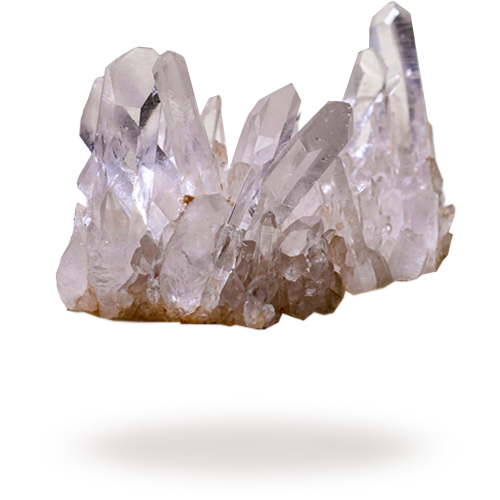
Clear Quartz: Enhances positive effects and particularly aids in manifesting goals.
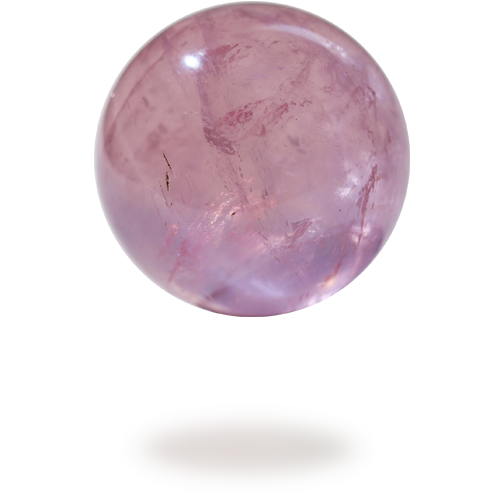
Rose Quartz: Abundance, contentment, and love have always been a good combination, haven't they? Rose Quartz adds a delicate, emotional layer to Citrine.
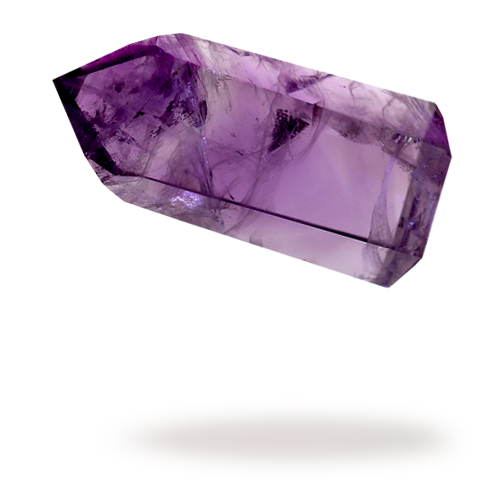
Amethyst: A power duo that even occurs naturally: Ametrine combines both gemstones and stands for the realization of your dreams.
Black Tourmaline: Harmonizes Citrine energy by
Sunstone of Antiquity: In ancient Greece, citrine was considered a gift from the sun and a symbol of prosperity.
The Merchants' Stone: In the Middle Ages, merchants carried citrine in their pockets to attract luck and prosperity.
Beware of confusion: 90% of the stone sold as "citrine" is actually heat-treated amethyst.
The most expensive citrine in the world was a perfectly transparent natural citrine from Brazil, weighing over 10 kg.
10. Buying Citrine: What to look for
Finding genuine citrine is a challenge. Pay attention to the hue (pale yellow to golden brown), transparency, and origin (Brazil, Madagascar). It is best to purchase this special crystal only from trustworthy dealers who offer untreated stones.
11. Frequently Asked Questions
How do I recognize real citrine?
Real citrine is pale yellow to golden brown, slightly transparent, and mostly comes from Brazil. Fakes can sometimes be difficult for hobby collectors to identify.
Can citrine fade?
Yes, direct sunlight can cause citrine to fade over time. However, this usually takes several years to decades.
Is citrine suitable for water?
Yes, citrine can be placed in water to transfer its energy to the water. Make sure to use untreated rough stones.
Which chakra is associated with citrine?
Citrine is associated with the solar plexus chakra, the energy center for self-confidence and joy of life.
Buy natural citrine
Citrine is one of our great favorites - a powerful and rarely beautiful treasure of our Earth. With the greatest effort, we import Brazilian premium crystal from Minas Gerais directly and without detours - from the mine to the grinder and then to us. This way, we can always ensure that we only offer genuine natural citrine. We have known our dealers and processors personally for many years.
Buying citrine – what to look out for
Are you looking for genuine, high-quality collector's items? Discover our natural citrine from Brazil – guaranteed untreated and full of positive energy.