Moonstone – the Crystal for Magic, Intuition, and Femininity
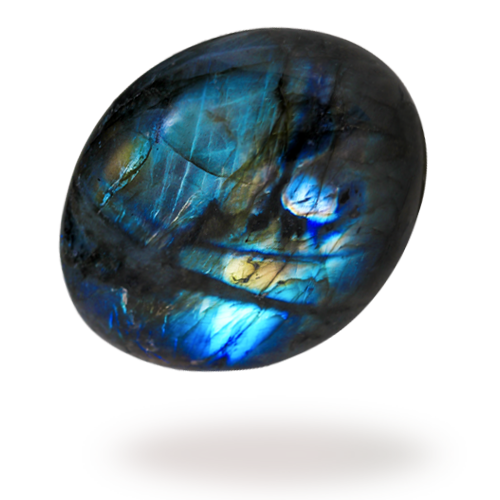
Moonstone is a symbol of intuition, emotional depth, and femininity. Its gently shimmering glow, which lights up in delicate blue tones or warm apricot depending on the light, has made it a coveted stone for millennia.
What makes moonstone so special? In this article, we dive deep into the world of moonstone and show you how you can use this magical crystal for yourself.
1. What is Moonstone?
Mineralogy and Formation
Moonstone is a member of the feldspar family and belongs to the mineral group of framework silicates. Its shimmering glow is created by a special lamellar structure in the crystal, which refracts light and reflects it in a bluish or white shimmer.
Mineral Class: Framework Silicates (Feldspar Group)
Crystal System: Monoclinic
Hardness: 6 - 6.5 on the Mohs scale
Color: White, bluish, apricot, green, black
Occurrence: India (white moonstone), Madagascar (apricot, green, black), Sri Lanka, Africa, Brazil
2. Variants and Origin: The fascinating diversity of moonstone
Not all moonstone is the same – depending on its origin and composition, it appears in various colors and forms:
Indian Moonstone: Classic white moonstone with a gentle blue shimmer, ideal for jewelry.
Apricot Moonstone (Madagascar): A warm, orangey-pink shimmer that has a particularly emotionally balancing effect.
Green Moonstone (Madagascar): A rare, greenish shimmering stone that stands for inner peace and healing.
Black Moonstone (Madagascar): A mystical, dark stone with a gray shimmer – perfect for protection and grounding.
White Labradorite: Often called "Rainbow Moonstone," but mineralogically it is a distinct stone.
Product Suggestion
3. Meaning and Effect: What makes moonstone so special?
Emotional Balance and Intuition
Moonstone is known as the stone of intuition and emotion. It promotes emotional clarity and helps you listen to your gut feeling. Moonstone is a valuable companion, especially for people who often feel insecure or have difficulty making decisions.
Feminine Energy and Cycle Balance
In crystal healing, moonstone is considered a symbol of feminine energy. It is said to harmonize the female cycle and is often worn as a talisman for fertility.
Protection and Dreams
Moonstone is also known as a protective stone for travelers and is said to ward off nightmares. Especially in the bedroom, it can ensure a restful sleep.
4. Everyday Use: Meditation, Rooms, Jewelry
Meditation
Hold the moonstone in your hand or place it on your heart chakra to release emotional blockages and strengthen your intuition.
Jewelry
Moonstone jewelry is not only beautiful but also a powerful talisman. Moonstone pendants and rings are particularly popular.
Rooms
Place moonstone in the bedroom to promote peaceful sleep and pleasant dreams. A large moonstone in the center of a meditation room enhances the spiritual atmosphere.
5. Combinations: How to Combine Moonstone Correctly
Which Crystals Does It Harmonize Best With?
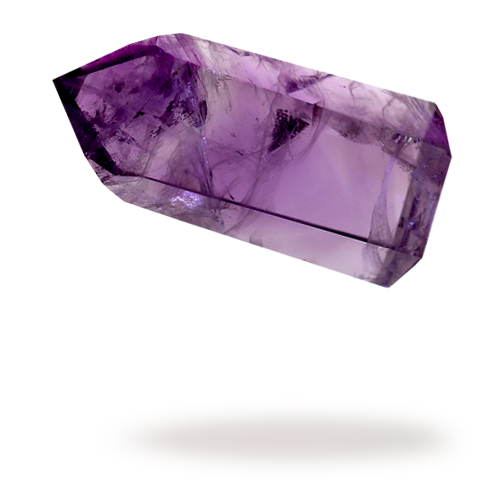
Amethyst: For spiritual clarity and intuitive wisdom.
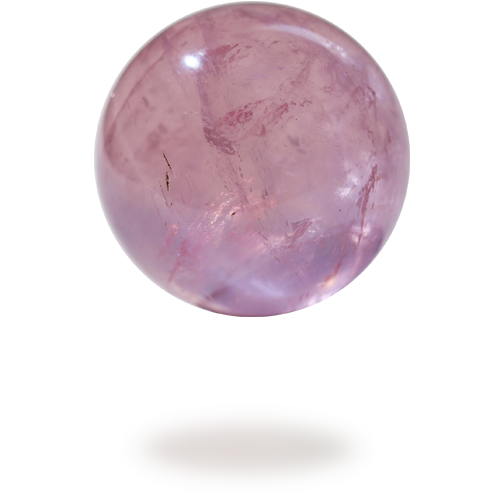
Rose Quartz: Promotes emotional healing and self-love.
Selenite: Enhances spiritual cleansing and energetic balance.
Labradorite: Protects against negative influences and strengthens intuition.
The Most Important Benefits of Moonstone
Promotes Intuition: Moonstone strengthens your inner voice and helps you listen to your gut feeling.
Sleep and Dreams: Moonstone allows you to delve into the depths of your subconscious, providing deep, restorative sleep.
Protection on Journeys: In many cultures, moonstone is considered a talisman for safe travel and happy return.
Enhances Creative Energies: Ideal for artists and creative minds, as it fosters inspiration and visions.
6. How to Identify Real Moonstone?
If you want to be sure that you are buying a real moonstone, look for the characteristic light sheen (adularescence) and the lamellar structure. Only buy from trustworthy dealers who guarantee origin and quality.
Feature
Real
Fake (glass, synthetic)
Sheen
Soft shimmering blue or silver sheen (adularescence)
Even luster, often artificially bright / colorful
Structure
Fine lamellar structure (layers) that refract light
Mostly completely transparent or completely opaque
Weight
Feels relatively heavy for its size
Light for its size (especially for plastic)
Origin
India, Madagascar, Sri Lanka, Africa
No clear origin, often declared as “moonstone”
As always: only buy from dealers you trust. Moonstone is often faked, especially in jewelry.
Product Suggestion
Stone Set with Moonstone
The Radiant Soul stone set combines crystals that enhance your emotional intelligence and attract good things – moonstone, citrine, rhodonite, pink amethyst, and mandarin quartz are, of course, essential here.
7. Quality Features: How to Recognize High-Quality Moonstone?
Sheen (Adularescence): An intense blue or silvery shimmer is a sign of high quality.
Clarity: Small gemstones should be semi-transparent to translucent.
Color: Whether apricot, green, white, or black – the more intense the color, the more valuable the stone.
Origin: Particularly high-quality specimens come from India and Madagascar.
8. Mythology and History of Moonstones
Moonstone: The Stone of the Moon Goddess and Timeless Mysticism
Softly shimmering and mysteriously fascinating, moonstone has carried a very special aura for millennia. With its unique bluish-silver light, reminiscent of the moon's surface, this gemstone possesses an incomparably poetic and spiritual appeal.
Origin of Name and Mythological Background
Its name derives directly from its visual resemblance to the moon, which was early on considered a symbol of the feminine, fertility, and the mysterious forces of the night. The Romans already called the stone "Selenitis", after the Greek moon goddess Selene. At that time, the stone was closely associated with the goddess of the moon and her healing and mysterious properties.
Spiritual Significance and Cultural Veneration
In many cultures around the globe, moonstone symbolized femininity, intuition, and emotional depth. Particularly in ancient India and Sri Lanka, it was considered a sacred stone, highly revered by Hindu priests and spiritual teachers. In Indian mythology, it is said to be crystallized moonlight, born from the magical rays of the full moon.
More than two thousand years ago, moonstone was already considered a lovers' talisman in India, as it was believed to have the power to reunite quarreling couples and bring peace to lovers. Women traditionally wore it to strengthen fertility and harmony in partnerships and to activate their feminine energies.
Even in ancient Rome, people believed in the power of the iridescent stone. It was incorporated into jewelry there and considered a gift from the goddess Diana, the Roman goddess of the moon and hunting.
Historical Value and Significant Collections
Its mysterious beauty and rarity made moonstone a coveted stone in jewelry making for centuries, especially during the Art Nouveau period:
Exceptional Art Nouveau jewelry pieces made of moonstone, crafted by renowned jewelers such as René Lalique, can be admired at the Victoria and Albert Museum in London. These pieces embody the mystical, feminine beauty that still characterizes the gemstone today.
The Metropolitan Museum of Art in New York possesses a collection of beautiful Indian jewelry with moonstone from the 18th and 19th centuries, impressively reflecting the stone's spiritual significance for Indian culture.
In the famous jewelry collection of the Art Nouveau Center in Darmstadt, breathtaking moonstone artworks can be admired, known for their unmistakable style and spiritual symbolism.
Mythological and Esoteric Traditions
In medieval European legends, moonstone was considered a stone of prophecy, with its help soothsayers and seers could receive visions. Witches and wise women used it to enhance their intuitive abilities and receive spiritual dreams.
In the 19th century, moonstone became very popular in Victorian England, not least due to Wilkie Collins' famous novel "The Moonstone" (1868), in which the gemstone plays a central, mysterious role. This gave the stone a new aura of mystery, increasing its popularity throughout Europe.
Historical Value and Use as a Gemstone
Historically, moonstone was enormously valuable, especially during the Art Nouveau and Victorian eras. At that time, artists and jewelers particularly appreciated it for its fine, soft appearance and its unique ability to seemingly capture and reflect the light of the moon. Jewelry with the iridescent gemstone was then considered particularly noble, feminine, and mystical and was often sold in exclusive jewelry houses.
Why Moonstone is Particularly Relevant Today
Today, moonstone is once again considered a powerful symbol of femininity, intuition, and emotional healing. In a world where many people have lost access to their inner voice, it reminds us of the power of intuition, emotions, and inner knowledge. It encourages us to seek contact with our deepest feelings and activate our inner wisdom.
Precisely for this reason, moonstone is particularly relevant and sought after today: It accompanies us on the path to emotional depth, intuitive clarity, and harmonious balance, and timelessly connects us with the mystical forces of the moon.
Mythical Stone of Love: In ancient Greece, moonstone was considered a gift from the goddess of love Selene.
Jewelry of Kings: In the Art Deco period, moonstone was a popular gemstone in royal jewelry.
Magical Luster: The shimmering effect of moonstone is called "adularescence" and is created by the play of light within its layers.
The Traveler's Stone: In many cultures, moonstone is considered a protective stone for travelers and adventurers.
9. Frequently Asked Questions
What is the spiritual meaning of moonstone?
Moonstone symbolizes intuition, emotions, and feminine energy.
What color is real moonstone?
High-quality moonstone exhibits an intense bluish shimmer (India) or silvery luster (Madagascar).
How do you cleanse moonstone?
Moonstone can be discharged and cleansed under running water. It's best to charge it under moonlight.
Can I wear moonstone as jewelry?
Yes, moonstone is very popular as a pendant, ring, or bracelet. Alternatively, you can carry it as a pocket stone or place it under your pillow.
Buy moonstone
Moonstone is a symbol of intuition, emotional balance and the deep connection to femininity. Whether as a piece of jewelry, in meditation or as a daily companion - it offers gentle support on the path to inner harmony.
Buying moonstone – what to look out for
When buying, look for a clear sheen (adularescence) and a strong color. Avoid artificially colored varieties or glass fakes. At Witchlandia you will find hand-picked moonstones of the highest quality, directly from Madagascar and India.