In this article, you will learn everything about the meaning, application, and origin – and how to distinguish real, untreated carnelian from fakes.
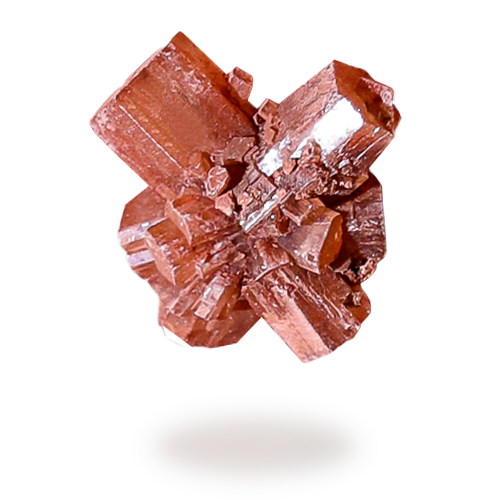
Carnelian is a variety of chalcedony, which belongs to the quartz group. Its vibrant colors range from light orange to strong red and warm brown. The stone gets its color from iron oxides embedded in the crystal during its formation. The deep orange-red variety from Madagascar, known for its natural color splendor, is particularly sought after.
Mineralogy
Crystal System: Trigonal
Mineral Class: Oxides, Quartz Group
Chemical Formula: SiO₂ + (Fe, O, OH)
Hardness: 6.5 - 7 on the Mohs scale
Color: Orange, Red, Brown
Carnelian stands for self-confidence, drive, and courage. It is a stone of positive energy and is often called the "sunstone". Its energetic effect manifests in increased motivation, clear focus, and a positive attitude. It strengthens your will and helps you confidently master challenges.
Carnelian in Energy Work:
Promotes joy of life and optimism
Strengthens courage and perseverance
Supports creative processes
Fosters decisiveness and initiative
With its warm, fiery red to orange glow, Carnelian is one of humanity's oldest and most culturally significant gemstones. For millennia, it has been valued, worn, and used in spiritual rituals. As a symbol of strength, courage, and zest for life, carnelian has shaped the history of many cultures.
Origin of Name and History
The name "Carnelian" comes from the Latin word "cornum" (cherry or cornelian cherry) or from "carneolus", meaning "flesh-colored," describing the stone's typical hue. Already in ancient Egypt, Mesopotamia, and Rome, it was highly prized for its vibrant, cheerful coloring and was used in various ways.
Significance in Antiquity and Egypt
In antiquity, carnelian was one of the most popular gemstones of all. As early as 4,000 years ago in Egypt, it was used as a gemstone. The ancient Egyptians believed that carnelian offered spiritual power and protection – both in life and in the afterlife. In the tomb of Pharaoh Tutankhamun, archaeologists found numerous carnelian jewelry pieces, including amulets and talismans, intended to give him strength and safety for his journey to the afterlife.
Egyptian artists and jewelers also used carnelian for signet rings and royal insignias, as it was considered a stone of power and authority.
Cultural and Spiritual Symbolism in Antiquity
In ancient Rome, carnelian was also revered as a stone of courage and strength. Legionnaires wore it as an amulet to give them courage and protection in battle. At the same time, philosophers and orators valued it as a stone of clarity and rhetorical strength. It was believed to strengthen the voice and grant convincing words – which is why it was particularly popular among speakers and politicians.
In the Middle Ages, the fiery red stone again became popular as a protective stone. It was believed to protect its wearer from illness, misfortune, and negative energies. Alchemists used it for its supposed life-extending powers and believed it could strengthen life energy.
Important Jewelry and Historical Objects
Carnelian has enriched many important collections and museums:
The Egyptian Museum in Cairo exhibits impressive carnelian jewelry, including necklaces and bracelets that once adorned pharaohs and priests.
The British Museum in London possesses numerous Roman carnelian seals and intaglios, whose delicate engravings depict scenes from mythology and history. They were considered personal status symbols and protective amulets.
The Louvre in Paris houses significant medieval carnelian works, including filigree jewelry and amulets worn by nobility and clergy.
Economic and Historical Importance
Throughout history, carnelian has always been a coveted and valuable gemstone, not only for its beauty but also for its symbolic meaning. Particularly precious pieces were brought to Europe via trade routes from India, North Africa, and Arabia, where they were used in treasuries and for royal jewelry. Especially during the Renaissance and Baroque periods, carnelian was considered an expression of vitality, elegance, and wealth.
Why Carnelian is Particularly Relevant Today
Today, carnelian stands for self-confidence, vitality, and the courage to change. In a world that often brings uncertainties and changes, it reminds us to actively shape our lives, discover our inner strength, and bravely stand up for what matters to us.
That's exactly why it is more popular than ever today: as a companion and symbolic stone for all who want to face their challenges feeling vital, self-confident, and full of zest for life. It embodies a living connection to our past and, at the same time, a powerful inspiration for the future.
Self-confidence for your pocket
Carnelian is particularly popular as a pocket stone because its energy wants to be tapped especially on the go: the stone ensures a self-confident appearance and an improved external image.
Carnelian primarily forms in volcanic rocks, where iron-rich silica solutions crystallize at high temperatures and under pressure. Significant deposits are found in:
Madagascar: Bright orange, with beautiful patterns, often of excellent quality.
Brazil: Pale, natural brownish-orange. Colorful pieces are usually heat-treated.
India: Warm orange to reddish-brown
USA: as a byproduct of agate.
Real, high-quality carnelian has become rarer today. Carnelian from Madagascar, in particular, is known for its natural, strong color. However, many specimens on the market are fired to make them more color-intensive. Here's how to recognize real crystals:
Feature |
Natural Carnelian |
Fired Carnelian |
Color |
Warm orange, reddish-brown |
Intense orange, uniform |
Transparency |
Slightly translucent |
Often cloudy or opaque |
Structure |
Subtle, natural color variations |
Homogeneous, strong color |
Origin |
Madagascar, India, Brazil |
Brazil, often treated |
Recognizing fakes
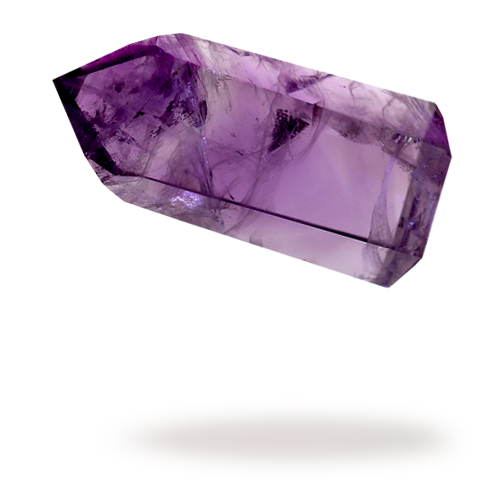
Fired amethyst or agate is often sold as carnelian.
Fired stones often appear unnaturally orange or red.
Pay attention to the natural color gradient and soft, not overly intense tones.
Carnelian is an energetic amplifier that combines perfectly with other crystals to further enhance its effect:
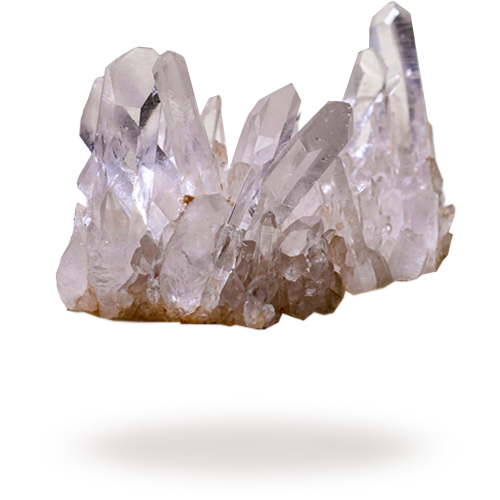
Clear Quartz: Clear focus and amplification of the joy of life. Clear Quartz enhances the energy of Carnelian and provides clarity in your thoughts.
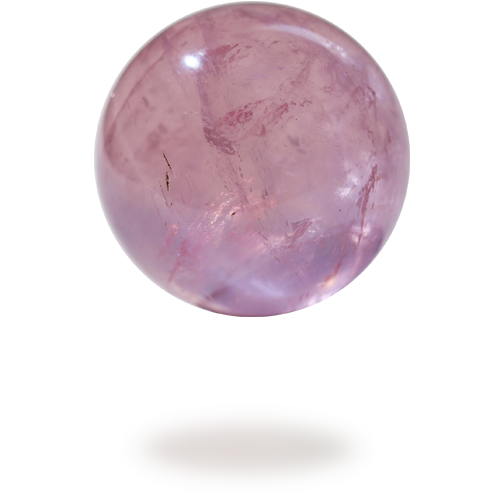
Rose Quartz: Promotes emotional healing and self-love. While Carnelian provides drive and courage, Rose Quartz brings loving energy and supports emotional balance.
Citrine: A true powerhouse for positive energy and zest for life. This combination is ideal for bringing optimism and joy into your daily life.
Black Tourmaline: A powerful combination for grounding and protection. Carnelian strengthens your courage, while Black Tourmaline protects you from negative energies.
Experience the powerful energy of carnelian for yourself and discover our hand-picked, untreated carnelians from Madagascar. Perfect for your home, as a talisman or as a gift.
If natural, untreated crystals are important to you, you should look very closely when buying carnelian. Most carnelians on the market are heat-treated (aka: thermally treated, TBH, fired, burnt). As always, we only sell untreated specimens - vibrant red carnelians from Madagascar and pale orange tips from Brazil.
If natural, untreated crystals are important to you, you should look very closely when buying carnelian. Most specimens on the market are heat-treated (aka: thermally treated, TBH, fired, burnt). As always, we only sell untreated pieces - vibrant red carnelians from Madagascar and pale orange tips from Brazil.